

Two Most Recent
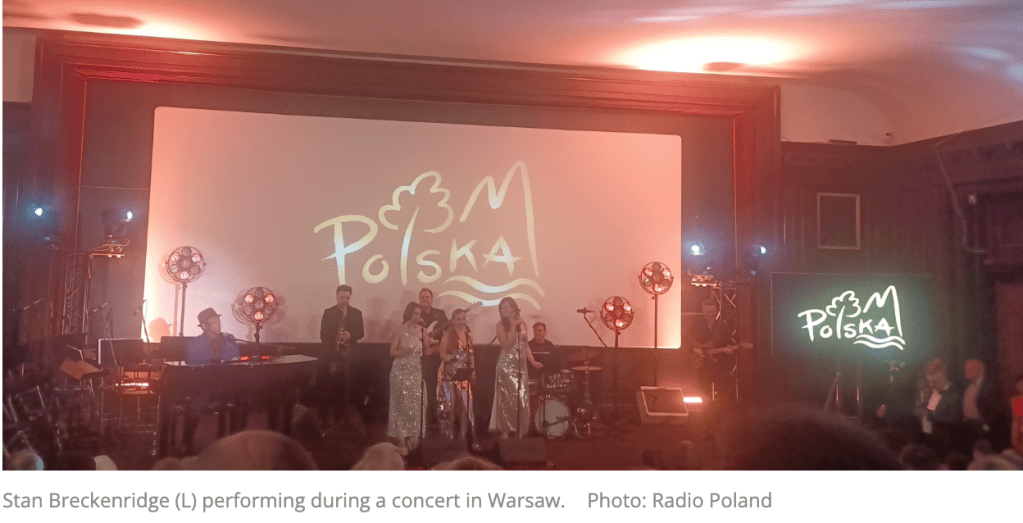
Day in the Life of Stan Breckenridge Presented by Danuta Isler Meet an American singer, soul and jazz pianist, performer, composer, and the 2019 Recipient of Poland’s Amicus Poloniae Award (“Friend of Poland”), given annually to American citizens who have contributed to Polish-American relations. (click image for interview.)
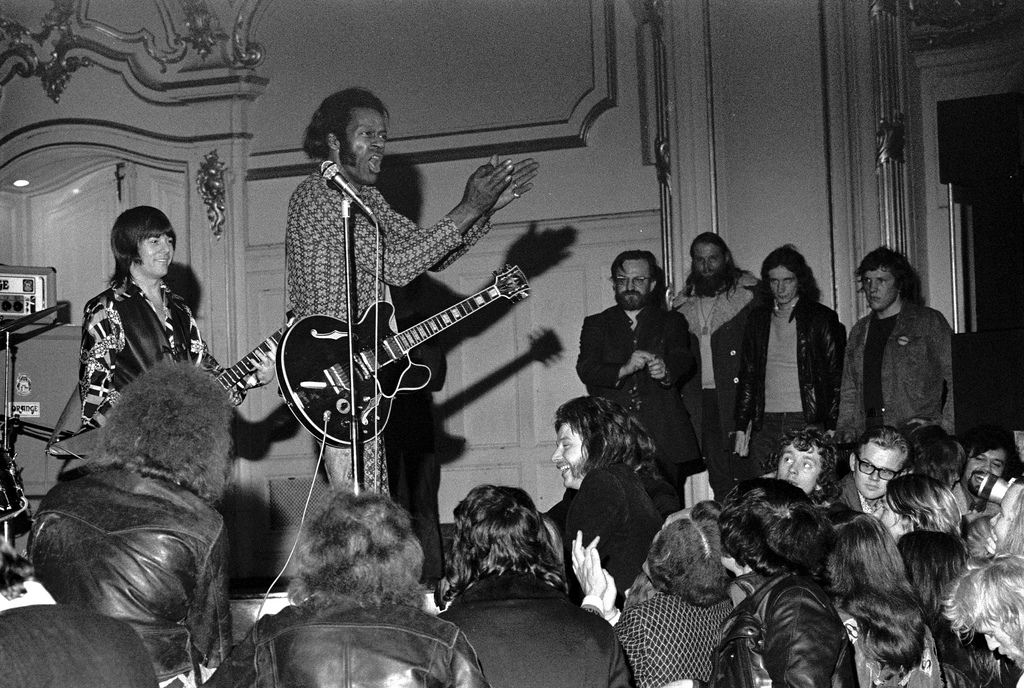
Stan Breckenridge responds to, “Was Rock ‘ N Roll America’s Greatest Revolution?”
Without question, the electric guitar is generally understood as the first groundbreaking technological innovation of rock ’n’ roll music. Previously, the trumpet, saxophone, and piano were the instruments jazz musicians used most often for soloing over an ensemble. At the close of World War II, however, the guitar soon became central to the style of music that evolved into rock ’n’ roll for several reasons: 1) It was used in folk-like, working-class music styles such as country and blues. 2) Vocalists playing guitar could front the band. 3) The guitar was embraced by young musicians as something of their own because it was less associated with jazz music. 4) The electric guitar offered something sonically different: electronic effects.
Rock ’n’ roll’s birth was also shaped by 1940s jump bands, which consisted of a vocalist who played saxophone or piano, and who was accompanied by trumpet, piano, bass, and drums. Quintet or sextet jump bands, such as Louis Jordan and His Tympany 5, were more flexible than traditional big bands, allowing more improvisations between the lead vocalist and the rest of the band. The lyrics of jump bands’ music also spoke to everyday people—especially young people—more than traditional jazz.
These innovations coincided with American society redefining itself after World War II. Social and cultural mores concerning the way black and white people related to one another shifted. With a greater acceptance of black culture during the Harlem Renaissance in the ’20s and ’30s, a heightened awareness of black consciousness surfaced by World War II. During the 1940s, late-night radio shows hosted by hip white disc jockeys—such as Bill Allen (a.k.a. Hoss Allen) at WLAC in Nashville—broadcasted black rhythm and blues songs to curious white teenagers. This cultural revolution became perhaps the most significant innovation that led to rock ’n’ roll music. (This article is within the broader discussion of What It Means to Be American, a national conversation hosted by the Smithsonian and Zócalo Public Square. (see all articles here)
 STAN BRECKENRIDGE