

People/ Portraits (published by VOGUE Polska on August 20, 2024)
Julia Właszczuk
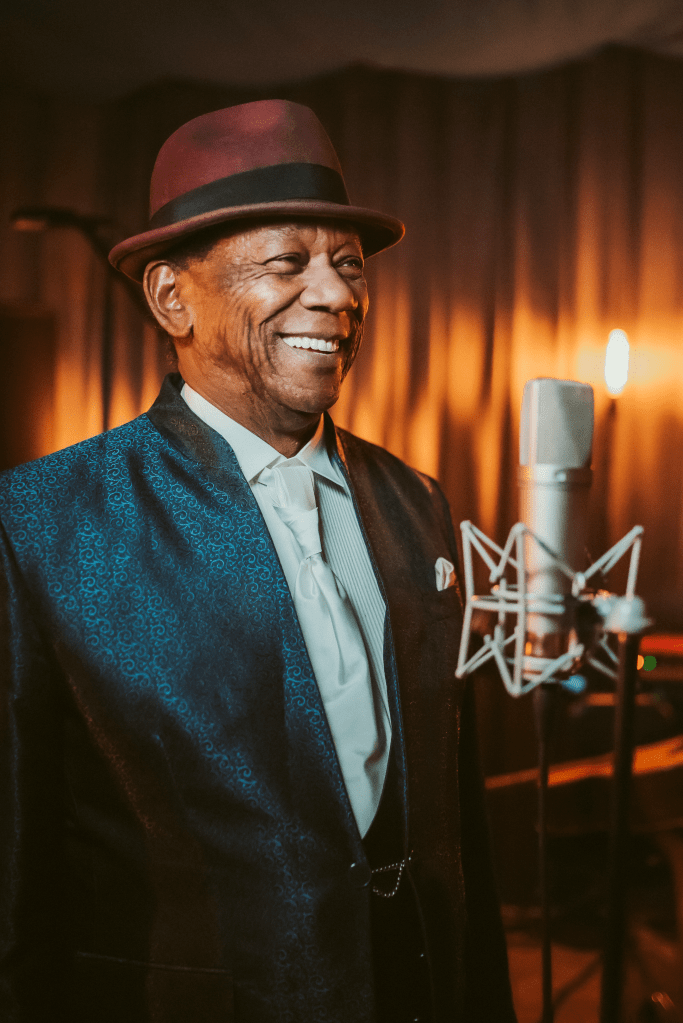
(Photo: own collections)
A pianist, musician, composer, academic teacher and writer – these are just a few jobs in the extensive list of Stan Breckenridge’s professions. This American musician, with a long history of presence in Poland, tells us about the beginnings of his career, his own definition of creativity and plans for future.
Where does your love for music come from? How old were you when you decided to become an artist?
To answer this question, I would like to quote my autobiographical novel, Piano Player From Compton, which will soon be published: “One December evening in 1959, I was heading for the town, together with my parents, admiring Christmas decorations. I was only seven then. At that moment the radio speaker announced “Theme From a Summer Place” by Percy Faith. It was a song which set my heart aflame, starting my journey to the world of sounds”.
Which artists shaped your style? And who do you listen to nowadays?
My musical inspirations go back to my school years. At that time, I was especially interested in Motown music played by The Temptations, The Supremes, The Four Tops, trio Martha and The Vandellas, Stevie Wonder, Marvin Gaye, Tammi Terrell or Gladys Knight and The Pips. I was also strongly influenced by soul musicians from the 1960s such as Sam Cooke, Aretha Franklin, James Brown and Otis Redding. Later on, as a young adult, I would listen to the music of Nat King Cole, George Benson, Tina Turner, Lionel Richie, Ella Fitzgerald and such groups as Earth, Wind and Fire, also to Duke Ellington, Frank Sinatra, Carole King, the Beatles, B.B. King, Bee Gees, Tower of Power and many others.
Today I try not to close myself off to any specific music genres or creators. My soundscape draws on the music that surrounds me. When I am on a concert tour, I always listen carefully to the local culture. The same goes for my academic activity – for the purposes of my lectures, I studied, among others, the music of India, Ecuador, Nigeria, Japan, Brazil and many other counties. Currently – as a visiting professor at Adam Mickiewicz University in Poznań – I introduce my students to the globalization of African American music. I try to stay up to date with the work of young artists. My important reference points are film and classical music.
Can you guide me step by step through your creative process?
This is a very interesting question. To answer it, I need to specify what creativity means for me. This is a space of unlimited possibilities, free from our limitations and prejudices and which can be entered by anybody, irrespectively of who they are.
Let’ s now place this definition within the context of my creative process. At its foundation, there is an assumption that there are no limitations concerning the substance, functionality and sound quality. I base this hypothesis on my knowledge of music theory. Therefore, the starting point for me is a specific sound, a harmony. This can be a simple sequence, such as a chord consisting of a few notes. Then, I juxtapose it with variations on its theme and play them alternately, thus experimenting with the rhythm. It is the rhythm that usually evokes a specific emotional reaction. It might seem that this is a lengthy process, but this all happens in my mind within a few seconds.
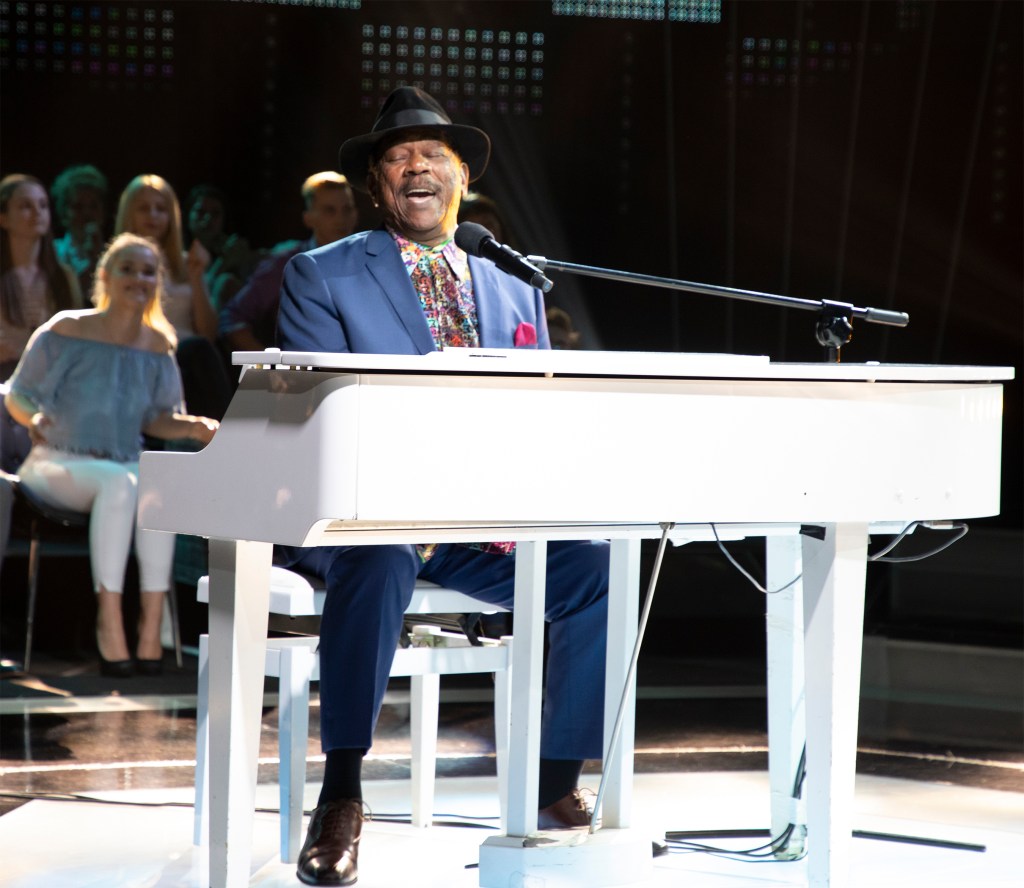
(Photo: own collections)
At this stage, the story of a piece begins to clarify and it may develop along one of the three paths: along the melody, lyrics or both at the same time. Let me explain it with examples of my compositions. While working on “If I Don’t Have You” from the Inspirations album recorded in 2014, I was undoubtedly guided by the melody. The song “Smile in Your Eyes” from Revival of 2022, in turn, started with the lyrics. The same record included also the piece, a “She’s So Fine”, which was created out of the combination of a melody and the text.
To sum up, my creative process often begins with the sounds, not with the words. I like to call this approach “the lyrics of sound”. They evoke emotions, which eventually turn into recognizable thoughts. Out of these thoughts, the words are formed, and then sentences which form a credible, witty and engaging story.
Is there any other musical genre that you would like to explore?
Just as many other composers with many years’ experience, my composer’s workshop, likewise, evolved with time to reach the point in which you do not necessarily pursue other genres, but rather explore music as such. Wanting to make the most of my creative potential, I do not limit myself to stylistic trends or specific genres. I certainly agree that they are worth exploring out of curiosity or for practical reasons, such as performances, recordings, composing film soundtracks and such stuff. Nevertheless, at the current stage of my life, I am more interested in unchartered territories. I explore music freely, with no limitations or barriers in order to get to know its significance and influence on our lives.
What are your plans and hopes for future?
Currently, I am working on five various projects that I would like to share with you. The order is random. Firstly, I am getting ready to publish my eleventh album, which includes solo pieces for piano, composed at the peak of the COVID-19 pandemic. At the same time, I am working on the twelfth record with the remixes of my previous compositions, arranged for voice, piano, other instruments and a string quartet. Thirdly, I am preparing a new show, which I will present in my new world concert tour. Fourthly, I would like to complete and publish the already mentioned autobiographical novel, Piano Player From Compton. Finally, the fifth project consists in Polish and English publication of the fourth edition of my previous book, Music Taste or Waste: Critical Listening Skills for Students, Teachers, and Parents.
What advice would you give to young creators?
The great Quincy Jones says (not in these exact words): “Believe in your own music – if you love it, others will love it too.” I obviously understand why young artists practice and perform the songs of other creators – this broadens their knowledge and helps them pay their bills. However, I do believe that each musician should constantly develop their own compositions.
I would also advise what I would have loved to hear as a beginner musician: it is worth being exposed to diverse kinds of music from the school years. I often encourage young creative people not to hesitate to learn and listen to all music styles. Try to travel to other cities and towns, and if possible – to other countries to see with your own eyes the musical performances of local artists. Listen to the music in foreign languages, pay attention how others react to it.
Do not forget also to explore the ins and outs of the music business. This will help you to make your own conscious decisions which may determine your career.
And the last thing: at some stage of your career you should take into consideration employing a manager who fully knows, respects and appreciates your talents. Let me take this opportunity to express my gratitude for my extraordinary manager, Ula Pietruczuk.
 STAN BRECKENRIDGE